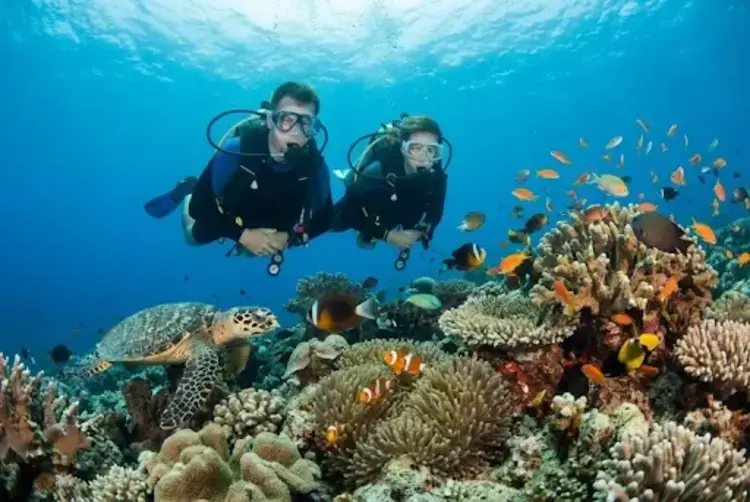
For aspiring divers seeking to earn their first scuba certification, an open water diving course Koh Tao represents an ideal starting point in one of the world’s premier diving destinations. Koh Tao, Thailand’s renowned diving hub, attracts thousands of certification students annually due to exceptional dive sites, affordable courses, experienced instructors, and stunning tropical marine environments. The Open Water certification course—the foundational scuba qualification enabling independent diving to 40 meters—combines classroom instruction, confined water training, and open ocean dives in ideal conditions. Understanding course structure, training methodology, certification standards, and what makes Koh Tao exceptional for open water training helps prospective divers making informed decisions about their certification journey.
Understanding Open Water Certification and Course Structure
The Open Water Diver certification represents scuba diving’s fundamental qualification.
What Open Water Certification Means
Open Water certification qualifies you to plan and conduct independent dives with another certified diver to maximum depths of 40 meters. This certification demonstrates fundamental knowledge of diving physics, safety procedures, equipment use, and emergency protocols. It’s the most widely-recognized scuba qualification internationally.
Course Duration and Time Commitment
Standard Open Water courses require 3-4 days of intensive training combining classroom learning, confined water training (typically in pools), and open ocean training dives. This compressed timeframe enables completing certification during vacations while maintaining educational rigor.
PADI, SSI, and Other Certification Agencies
Most courses operate under internationally-recognized agencies—PADI (Professional Association of Diving Instructors) being most common—ensuring standardized training and worldwide qualification recognition. Verify your chosen course uses recognized certification agencies.
Components of Open Water Training
Comprehensive training addresses multiple essential areas.
Classroom and Theory Instruction
Courses begin with classroom or online theory covering diving physics, equipment function, underwater navigation, emergency procedures, and environmental awareness. This foundational knowledge proves essential for safe diving practices.
Confined Water Training
Controlled pool or shallow water training allows practicing skills in controlled environments—equipment assembly, mask clearing, regulator recovery, buoyancy control. Mastery in confined water enables confident open water performance.
Open Ocean Certification Dives
Four open water dives complete certification, applying learned skills in natural diving conditions. Progressive complexity increases from basic skills to navigation and deeper exploration.
Why Koh Tao Is Ideal for Open Water Training
Multiple factors distinguish Koh Tao as exceptional for certification.
Perfect Diving Conditions
Koh Tao’s warm water (26-30°C year-round), excellent visibility (20-30 meters typical), calm sheltered bays, and abundant marine life create ideal learning conditions. New divers develop confidence in supportive underwater environments.
Exceptional Dive Sites and Marine Environment
Training occurs at carefully-selected sites with gentle slopes, minimal current, and fascinating marine ecosystems. Beginner-friendly sites like Chalok Bay and Japanese Gardens provide safe yet rewarding training environments.
Experienced, Quality Instructors
Koh Tao’s diving industry attracts professional instructors with extensive training experience. Many instructors possess advanced certifications and years guiding new divers, ensuring expert, supportive instruction.
Affordable Training Costs
Koh Tao’s competitive market and favorable cost structure make certification remarkably affordable compared to most countries. Quality training remains financially accessible.
Comprehensive Support Infrastructure
Koh Tao’s developed diving industry provides complete support—dive shops, equipment rental, accommodation, restaurants—creating comfortable, convenient training environments.
Training Methodology and Approach
Quality courses employ proven training approaches.
Student-Centered Learning
Modern courses emphasize student-centered learning with hands-on practice, instructor guidance, and immediate feedback. This approach enables developing genuine competence rather than memorized information.
Safety-First Philosophy
All reputable courses prioritize safety through thorough instruction, careful skill progression, conservative depth limits, and continuous supervision. Safety underpins all training aspects.
Personalized Instruction
Quality instructors adapt teaching to individual learning styles, addressing each student’s concerns and learning pace. Personalized attention builds confidence and competence.
Certification Standards and Requirements
Understanding certification expectations clarifies what to expect.
Minimum Age and Health Requirements
Students typically must be at least 10 years old with basic swimming ability. Medical fitness is required—conditions like heart disease, lung issues, or ear problems may preclude diving. Honest health disclosure ensures safety.
Physical Fitness Considerations
Diving requires moderate fitness. While extreme athleticism isn’t necessary, reasonable fitness enables managing underwater demands. Honest self-assessment prevents problems.
Knowledge Assessment
Courses include knowledge assessment through written exams or online testing ensuring comprehension of essential diving concepts. Assessment ensures preparedness.
Maximizing Your Open Water Training
Strategic approaches optimize learning and certification.
Prepare Mentally and Physically
Physical conditioning, sleep, and positive mental attitude support optimal performance. Managing anxiety through deep breathing and positive visualization helps.
Engage Actively in Learning
Active participation, questions, and practicing skills thoroughly accelerates learning. Engage fully rather than passively observing.
Practice Skills Repeatedly
Skills mastery requires practice repetition. Repeatedly practice mask clearing, regulator recovery, and buoyancy control until automatic.
Ask Questions and Communicate Concerns
Quality instructors welcome questions and want to address concerns. Communicate honestly enabling instructors supporting your specific needs.
Post-Certification Progression
Open Water certification opens diving advancement pathways.
Advanced Open Water Courses
After certification, Advanced Open Water courses enable deeper dives (60 meters) and specialized skills—navigation, wreck diving, deep diving.
Specialty Certifications
Courses in photography, nitrox, rescue diving, and other specialties enhance your diving capabilities and enjoyment.
Continuing Education
Diving provides lifetime learning opportunities. Many divers continue taking courses and improving skills throughout diving careers.
Conclusion
An open water diving course in Koh Tao provides the perfect introduction to scuba diving—combining world-class training in one of the world’s premier diving destinations with affordable, accessible education. The combination of exceptional dive sites, experienced instructors, supported learning environment, and post-certification opportunities creates ideal conditions for becoming a confident, competent diver. By choosing quality training, engaging fully in the learning process, and prioritizing safety, you begin a rewarding diving journey that will provide adventure, exploration, and joy for decades to come.
