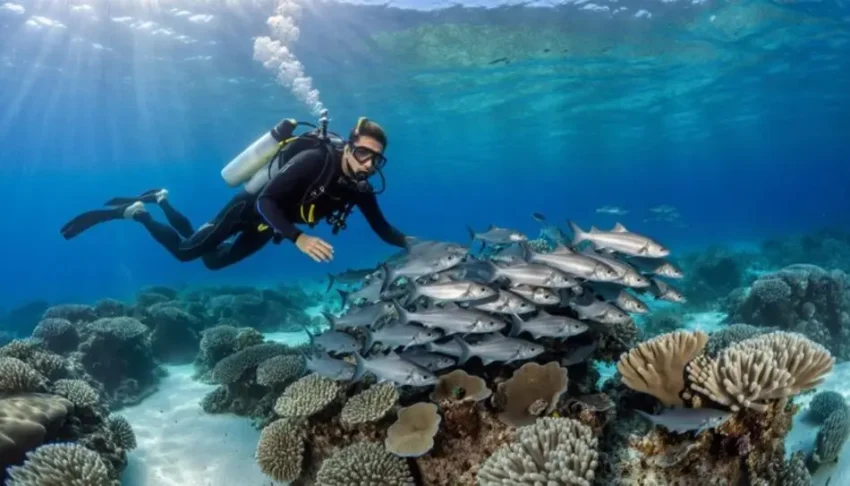
Koh Lipe scuba diving has gained attention for offering clear water, healthy reefs, and accessible dive sites without the overcrowding of Thailand’s bigger islands. But most content online either oversells it or skips the details that actually matter. If you’re planning a dive trip, you need to understand site conditions, timing, and operator quality—because those factors determine whether your experience is worth it or disappointing.
What Makes Koh Lipe Different from Other Dive Spots
Koh Lipe isn’t the biggest diving destination in Thailand—and that’s exactly the advantage. Unlike Koh Tao or Phuket, dive sites here are less congested and often closer to shore.
Here’s what actually sets it apart:
- Short boat rides (often under 20 minutes)
- Consistent water temperatures year-round
- Access to both reef and deep dive sites
- Located within a protected marine area
That last point matters. Marine parks tend to preserve biodiversity better, which directly impacts what you see underwater.
Understanding Dive Conditions (Not Just the Highlights)
Most blogs will tell you “crystal clear water” and leave it there. That’s useless.
Real conditions vary:
- Visibility: Typically 15–30 meters in peak season
- Currents: Mild at beginner sites, strong at advanced locations
- Depth Range: 5 meters to 40+ meters depending on the site
If you’re inexperienced and end up at a current-heavy site, you won’t enjoy it. Matching dive difficulty to your skill level is critical.
H2: Dive Sites That Actually Matter
8 Mile Rock (Advanced Only)
This is where experienced divers go for pelagic action. It’s deep, current-heavy, and unpredictable. You might see large species—or nothing. That’s diving reality.
Stonehenge Reef (Balanced Option)
A reliable site with good coral density and manageable conditions. It’s often used for intermediate divers who want variety without excessive risk.
Shallow Reef Zones (Beginner-Friendly)
These areas are used for training and relaxed dives. Expect smaller marine life, slower pace, and minimal current.
The mistake people make? Choosing dive sites based on hype instead of ability.
Marine Life: What’s Realistic vs Overhyped
You’ll see blogs promising whale sharks on every dive. That’s nonsense.
Here’s what you’re actually likely to see:
- Reef fish and coral ecosystems
- Moray eels and small predators
- Occasional turtles
- Macro species like nudibranchs
Less frequent sightings include:
- Leopard sharks
- Manta rays
- Whale sharks
If your entire trip depends on spotting rare species, you’re setting yourself up for disappointment.
Choosing a Dive Operator (Where Most People Mess Up)
This is where your trip either works—or fails.
Operators like La Bombona Koh Lipe are known for structured dive planning and guided trips, but you shouldn’t pick any operator blindly.
Check for:
- Instructor certifications and experience
- Group size (smaller is better)
- Equipment quality
- Safety briefings and planning
Cheap operators cut corners. That usually shows up in poor equipment or rushed dives.
Best Time to Dive (And When to Avoid It)
Timing is not optional—it directly affects visibility and safety.
Best Season: November to April
- Calm conditions
- Clear visibility
- Full access to dive sites
Avoid If Possible: May to October
- Rough seas
- Reduced visibility
- Limited dive availability
If you’re booking during monsoon season expecting perfect dives, that’s just poor planning.
Types of Diving Available
Recreational Fun Dives
For certified divers, these are the standard option. Expect 2–3 dives per trip with guided supervision.
Beginner Courses
Koh Lipe is suitable for learning due to calm, shallow areas. Entry-level courses are commonly completed in 2–3 days.
Advanced Diving
Includes deeper dives, stronger currents, and more complex environments. Not suitable for beginners pretending to be experienced.
What a Dive Day Actually Looks Like
Forget the “luxury island vibe” descriptions. A real dive day is structured:
- Early morning check-in
- Equipment setup and briefing
- Boat ride to dive sites
- Multiple dives with surface intervals
- Return by afternoon
It’s efficient and focused—not a leisure cruise.
Common Mistakes to Avoid
Most bad dive experiences come from avoidable errors:
- Booking without checking season
- Choosing operators based on price alone
- Overestimating your diving ability
- Ignoring safety briefings
- Expecting guaranteed wildlife sightings
Diving isn’t controlled. If you expect certainty, you’re misunderstanding how it works.
Is Koh Lipe Scuba Diving Worth It?
Yes—but only if your expectations are realistic.
Koh Lipe works because it offers:
- Less crowded dive sites
- Strong marine biodiversity
- Short travel times
- A mix of beginner and advanced options
It doesn’t work if you expect luxury diving with guaranteed rare species on every dive.
Conclusion
Koh Lipe scuba diving is a solid choice for divers who prioritize efficiency, biodiversity, and manageable logistics. It’s not the flashiest destination, but it delivers consistent underwater experiences when planned correctly. Choose the right season, pick a competent operator like La Bombona diving Koh Lipe, and stay within your skill level—that’s what determines whether your trip is average or genuinely worthwhile.
