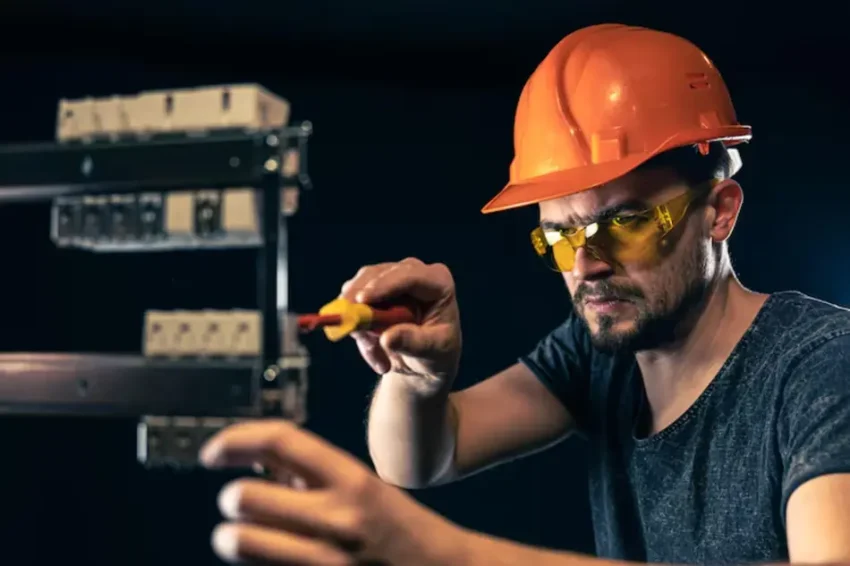
Riverside County covers a wide range of communities — from suburban Temecula and Corona to the desert developments near Palm Springs to the older residential neighborhoods in the City of Riverside itself. Electrical needs vary across this geography, but the fundamentals of what makes an electrical contractor worth hiring stay consistent.
If you’re looking for qualified help with a residential project, a commercial job, or anything in between, here’s what to understand before you start.
California Licensing Requirements — and Why They Matter
In California, anyone performing electrical work for compensation must hold a valid contractor’s licence issued by the Contractors State License Board (CSLB). For general electrical contracting, that’s a C-10 Electrical Contractor licence.
This isn’t a formality. A C-10 licence requires passing a trade exam, demonstrating four years of journeyman-level experience, and carrying general liability insurance and a contractor’s bond. Unlicensed electrical work voids homeowner’s insurance coverage for electrical-related claims, creates liability if something goes wrong, and can’t be permitted or inspected through the city or county.
Verifying a contractor’s licence status takes two minutes on the CSLB website. It should be the first step before any electrical hiring decision.
Residential Electrical Work: Common Projects
Riverside County homes span a wide age range. Older properties in central Riverside often have aging wiring and panels that haven’t kept pace with modern demands. Newer developments in areas like Eastvale or Jurupa Valley are more likely to need additions for solar, EV charging, or home automation.
Common residential scopes include:
Panel Upgrades Moving from 100-amp to 200-amp service is one of the most requested upgrades in the region — particularly for homes adding EV chargers or large HVAC systems. Some properties with significant electrical loads are moving to 400-amp service.
Whole-Home Rewiring Homes with aluminium branch circuit wiring — common in the 1960s and 1970s — often need remediation. Aluminium wiring at outlet and switch connections is a documented fire hazard that qualified electricians can address either through replacement or approved connection methods.
EV Charger Installation The adoption of electric vehicles in Riverside County is growing, and Level 2 home charger installations are now a routine request for residential electricians across the area.
Outdoor and Landscape Electrical Pool equipment, outdoor kitchens, landscape lighting, and detached garage or workshop wiring all require licensed electrical work and permits.
Commercial and Light Industrial Work
Riverside County has a significant industrial and logistics presence — particularly in the Inland Empire corridor. Commercial electrical work in this environment involves different systems and different code requirements than residential projects.
Three-phase power distribution, motor controls, high-bay lighting, and large-scale panel installations are standard scope for commercial contractors. For businesses expanding or building out space in the region, working with Electricians Riverside County teams that have demonstrated commercial experience — not just residential — makes a tangible difference in project timelines and code compliance.
Permits and the Inspection Process
Almost all electrical work in Riverside County requires a permit. The specific requirements vary by city — the City of Riverside has its own building department; unincorporated areas are handled by the Riverside County Building and Safety division; and cities like Corona, Moreno Valley, and Murrieta each have their own processes.
A licensed contractor handles permit applications as part of the job. What this means practically:
- The work is reviewed against current code before it starts
- An inspector verifies the installation at rough-in and final stages
- The permit creates a documented record of the work, which matters for insurance and future property transactions
Homeowners are sometimes tempted to skip permits to save time and cost. In California, this creates significant downstream risk — from insurance voidance to required disclosure during a home sale to potential code enforcement issues if the unpermitted work is discovered.
What to Look for in a Contractor
Beyond the licence, several factors distinguish contractors who are worth hiring:
Clear Written Estimates A detailed written estimate — specifying the scope of work, materials, permit fees, and total cost — is a professional standard. Verbal estimates and vague scope descriptions lead to disputes.
Permit Handling Ask directly: do you pull permits for this type of work, and is that included in your estimate? The answer should always be yes for significant electrical work.
Communication During the Project Electrical projects often reveal issues that weren’t visible before work started — old wiring that needs attention, a panel that’s more compromised than it appeared. A contractor who communicates these discoveries clearly and presents options (rather than just adding to the invoice) is one worth continuing to work with.
References and Reviews Specific references from similar projects are more useful than generic positive reviews. If you’re hiring for a commercial tenant improvement, references from other commercial clients matter more than residential ones.
Emergency Electrical Services
Power outages, wiring failures, and electrical hazards don’t follow business hours. For situations that involve immediate safety risk — sparking outlets, burning smells, unexplained outages — finding a contractor who offers emergency response in Riverside County is worth doing before you need them.
According to the Electrical Safety Foundation International, home electrical fires account for thousands of injuries and billions in property damage annually in the US. Many are preventable through regular inspection of aging systems, prompt attention to warning signs, and using licensed contractors for all electrical modifications.
Riverside County’s electrical needs are as varied as the county itself. Whether the project is a panel upgrade in an older Corona home, a commercial fit-out in the Inland Empire, or a full rewire in a vintage Riverside property — working with a licensed, experienced contractor who handles the permit process properly is the consistent factor that determines a good outcome.
